Anal Fistula
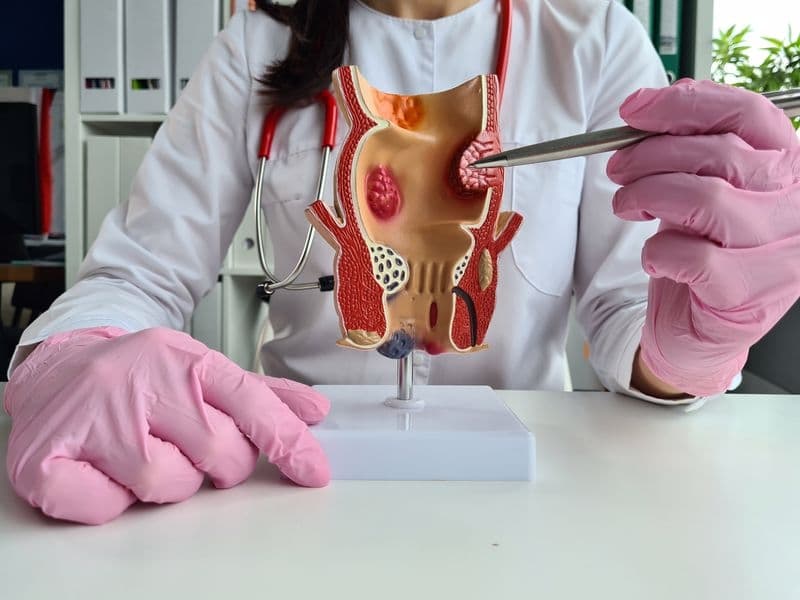
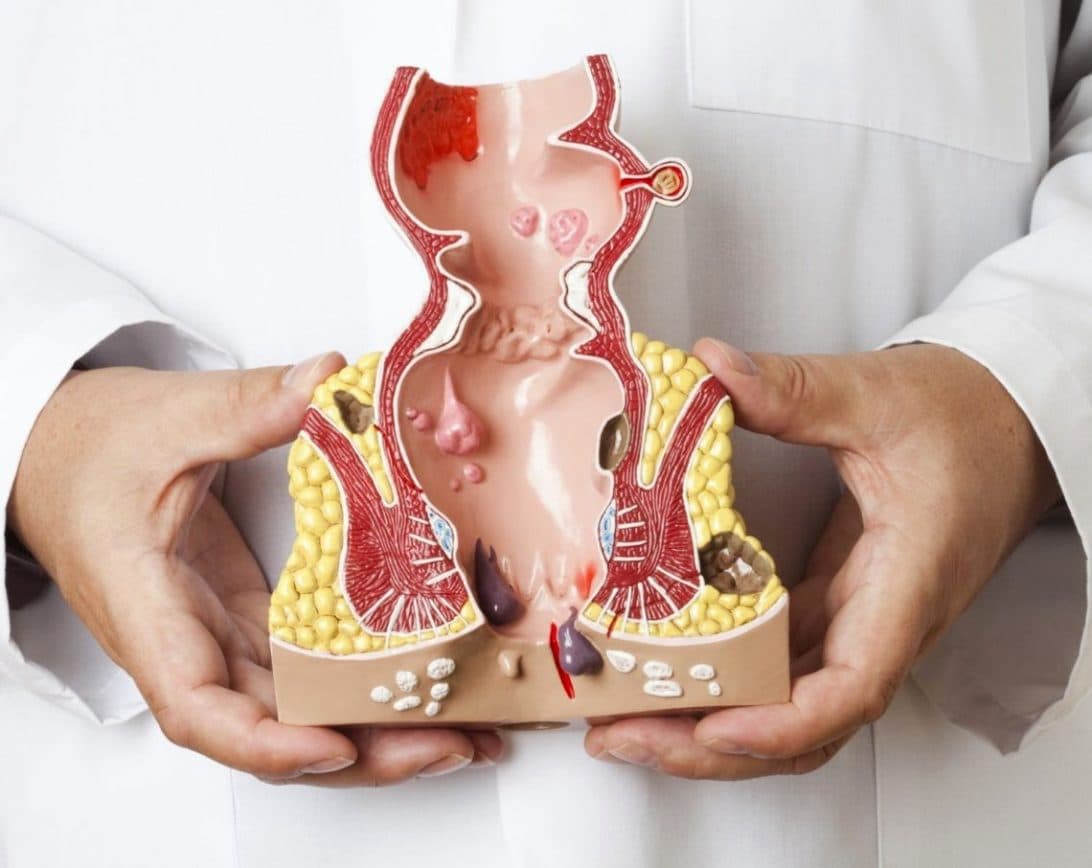
Anal fistula is the formation of an abnormal canal between the anal canal and the outer surface of anal area. It is usually characterised by pain and discharge. Fistulas often develop following the healing process of perineal abscesses and can be caused by bacterial infections. Treatment usually requires surgical intervention because fistulas do not heal spontaneously and may increase the risk of infection.
Anal Fissure
Anal fissures are small tears or fractures that form on the edge of the anal canal. It usually causes sharp pain. Fissures can occur for reasons such as constipation and passing hard stools. Treatment may include increasing fibre foods, drinking plenty of water and in some cases using topical creams or medicines.
Haemorrhoids
Haemorrhoids are swollen veins in or around the anal canal and can lead to symptoms such as itching, pain, and bleeding. Both internal and external haemorrhoids can cause itching, but external haemorrhoids usually cause more discomfort. Treatment
Tumour
Itching in the anal area may rarely be a symptom of anal or rectal tumours. Tumours are caused by abnormal cell growth and can cause pain and itching. When this type of itching is persistent and resistant to treatment, it requires immediate medical evaluation.
Parasite
Parasitic infections, especially pinworms or oxyuria, are common causes of anal itching. These small worms are particularly common in children and can cause intense itching in the anal area. Treatment usually involves treating the infection with oral medications.
Dermatological (skin) Diseases
Skin diseases such as eczema, psoriasis and contact dermatitis can also cause itching in the anal area. These conditions are characterised by reddening, scaling and inflammation of the skin. Treatment may include the use of topical creams or corticosteroids to relieve itching and promote healing of the skin.
Pruritus Ani
Pruritus is a sudden, intense itching sensation in the anal area for no apparent reason. Many factors can contribute to this condition, including stress, dietary habits and hygiene practices. Treatment usually involves the use of supportive methods to provide symptomatic relief and reduce potential triggers.
In all cases, it is important that the underlying cause of anal itching is correctly identified and appropriate treatment is given. If the itching persists or is accompanied by other symptoms, it is best to seek medical evaluation.
How to treat anal itching?
The treatment of itching in the anal area begins with the identification of the possible underlying cause. The method of treatment depends on the specific condition causing the itching. The general approach includes supportive therapies and lifestyle changes to relieve symptoms and address the underlying cause.
In the case of common causes such as haemorrhoids or anal fissures, lifestyle changes such as a high-fibre diet, plenty of water consumption and regular exercise are recommended. These changes help to make defecation easier and reduce pressure in the anal area. Topical creams and painkillers may be recommended. In the case of parasitic infections, appropriate antiparasitic drugs are prescribed. Topical corticosteroids or other anti-inflammatory creams can be used for skin diseases.
Where anal itching is associated with psychological stress, stress management techniques and sometimes medication to relieve anxiety may be recommended. It is also important to review hygiene practices and reduce the use of irritants that may worsen itching.
What happens if anal itching is not treated?
If itching in the anus is left untreated, symptoms can worsen over time and have a significant impact on a person’s quality of life. Constant itching and discomfort can lead to psychological problems such as sleep problems, anxiety and depression. In addition, constant scratching of the itchy area can cause skin irritation, injury and an increased risk of infection.
If the underlying health problems are not treated, these conditions can develop and lead to more serious health problems. For example, untreated haemorrhoids can thrombose or cause excessive bleeding. Parasitic infections can spread and affect general health. If skin conditions are not controlled, permanent skin damage or scarring can occur.
Therefore, it is important for anyone experiencing itching in the anal area to seek medical attention, especially if the symptoms do not improve within a few days or if they occur in combination with other signs. Early diagnosis and treatment are critical to alleviate the discomfort caused by itching and prevent potential complications.
Sources and References