Latest articles on proctology, treatments, and patient care.
In early and moderate stages, rectal prolapse can be managed with minimally invasive methods under local anesthesia, without general anesthesia or a hospital stay.
Read moreRectal prolapse is a condition in which part of the rectum loses its support and slips out through the anus. The first sign is usually tissue that comes out during bowel movements.
Read moreLearn why hidradenitis suppurativa can come back, recurrence after antibiotics or surgery, prevention steps, laser options, and when to see a doctor.
Read moreLearn hidradenitis suppurativa stages, Hurley Stage 1, 2 and 3 differences, symptoms, tunnels, scarring, and treatment options.
Read more
Bright red blood during or after a bowel movement usually comes from the anus or lower rectum, most often due to hemorrhoids or an anal fissure. Although these causes are benign and treatable, recurrent or increasing bleeding should always be evaluated by a proctology specialist to rule out more serious conditions.
Read more
A perianal abscess at home can be easy to miss in its earliest stage. What often begins as mild discomfort may quietly develop into a more serious condition if overlooked. In many cases, people associate this problem only with severe pain.
Read more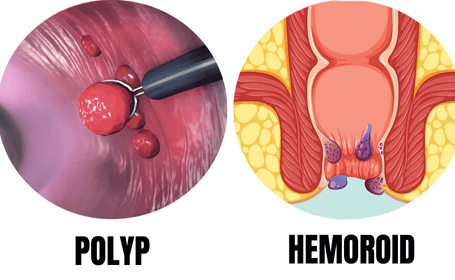
Anal polyps and hemorrhoids are not the same condition: anal polyps are tissue growths from the lining of the anal canal or rectum, while hemorrhoids are enlarged vascular cushions or swollen veins in the anal region. They may cause similar symptoms such as rectal bleeding, itching, mucus discharge, a lump sensation, or discomfort, so self-diagnosis is often unreliable.
Read more
Discharge and foul odor from the anus may indicate anal fistula, anal abscess, hemorrhoids, infected anal fissure, sexually transmitted proctitis, inflammatory bowel disease such as Crohn’s disease, or less commonly a tumor-related condition. The most common proctological causes are anal fistula and anal abscess, especially when the discharge is pus-like, recurrent, foul-smelling, or associated with swelling and pain.
Read more
Diet may affect hidradenitis suppurativa symptoms in some patients, but there is no universal HS diet that cures everyone. Some people report flare-ups after high-sugar foods, refined carbohydrates, dairy, or personal trigger foods. Others may benefit from a Mediterranean-style diet, lower-glycemic eating, gradual weight management, and a food-flare diary.
Read more
Hidradenitis suppurativa can have a genetic component, but it is not purely a genetic disease. Many patients have no known family history, while some patients report relatives with similar recurrent abscesses, painful nodules, or scarring. Familial cases have been associated with mutations in genes such as those in the gamma-secretase complex.NCSTN, PSENEN, and PSEN1, but these mutations explain only a minority of cases.
Read more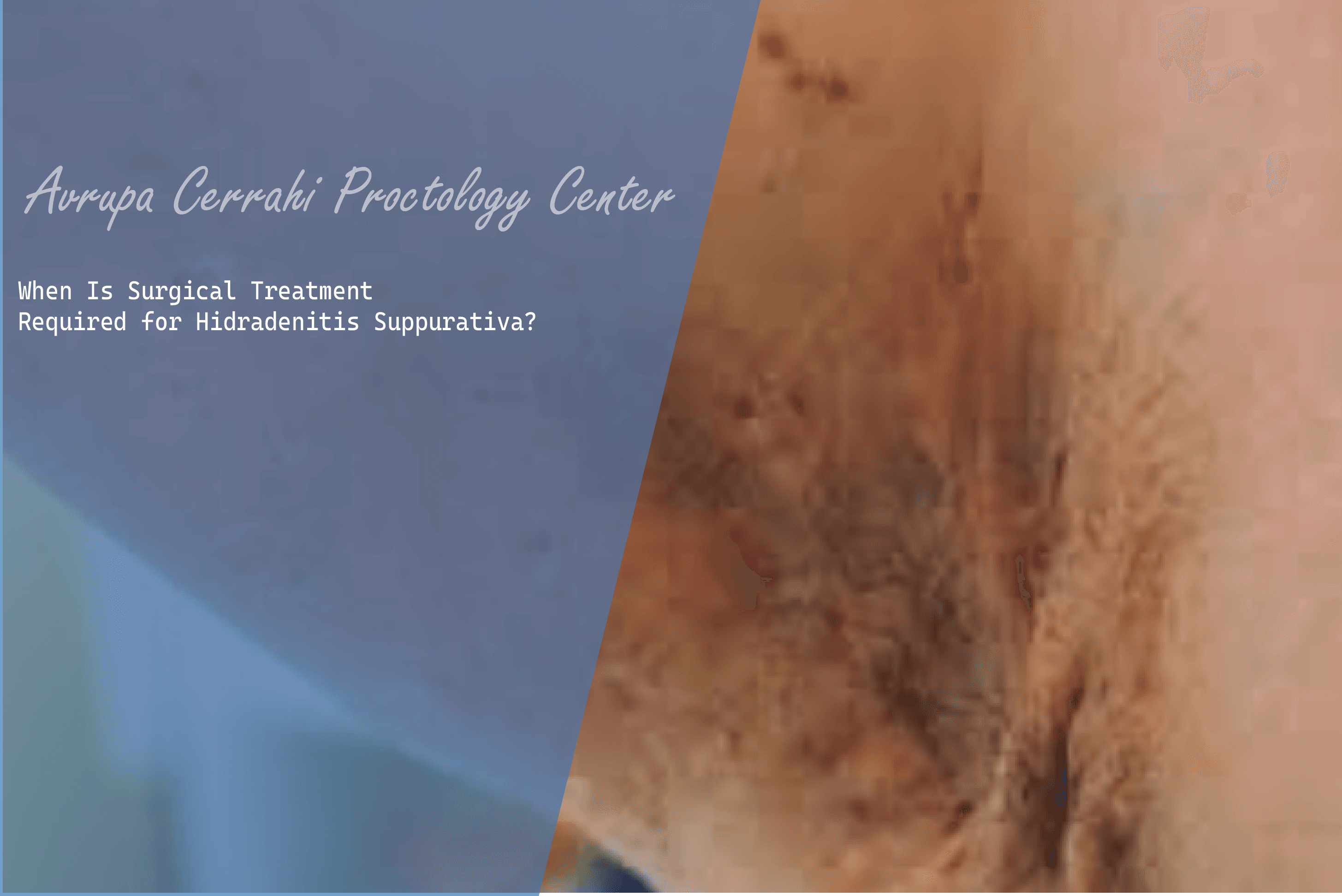
Surgical treatment for hidradenitis suppurativa may be considered when HS causes recurrent abscesses, chronic drainage, or established tunnels and scarring. Surgery is not the first option for every patient. Depending on the stage and lesion type, procedures may include incision and drainage, deroofing, local excision, or wide excision.
Read more
Hidradenitis suppurativa cannot be reliably treated or cured with natural methods alone. However, safe supportive steps may help reduce irritation, friction, sweating, and flare triggers when used alongside medical care. Helpful measures may include gentle cleansing, avoiding harsh scrubbing, wearing loose breathable clothing, reducing friction, quitting smoking, managing weight if appropriate, tracking food and stress triggers, using warm compresses for closed tender nodules, and keeping draining areas clean and covered.
Read more