Laser Treatment Advantages

WALK IN,WALK OUT  TREATMENT

Processing time is 5-8 minutes.

No anaesthesia  and no side effects related to anaesthesia

Since there is no surgery, there is no need for pre-treatment tests or analysis, and hunger or satiety does not interfere with treatment.

No incisions and stitches.

Since tissues are not damaged, healing is rapid.

They are able to return to their d

It does not require a hospital stay as it is as comfortable and quick as tooth fillings.

Less p

Complications after the treatment are not normally observed. (stool or gas incontinence, severe p..)

It can also be applied to patients with chronic diseases.

Why Should You Choose Avrupa Cerrahi?

We treat patients who have been scheduled for surgery with non-surgical laser techniques using our 17 years of experience and expertise.

We follow all relevant information and developments in the field of proctology from domestic and foreign sources, and also apply our unique special treatment technology with innovative developments in this area.

OUR PARTNERS

OUR PARTNERS

anal-fissur-makat-catlagi

What is Anal Fissure?

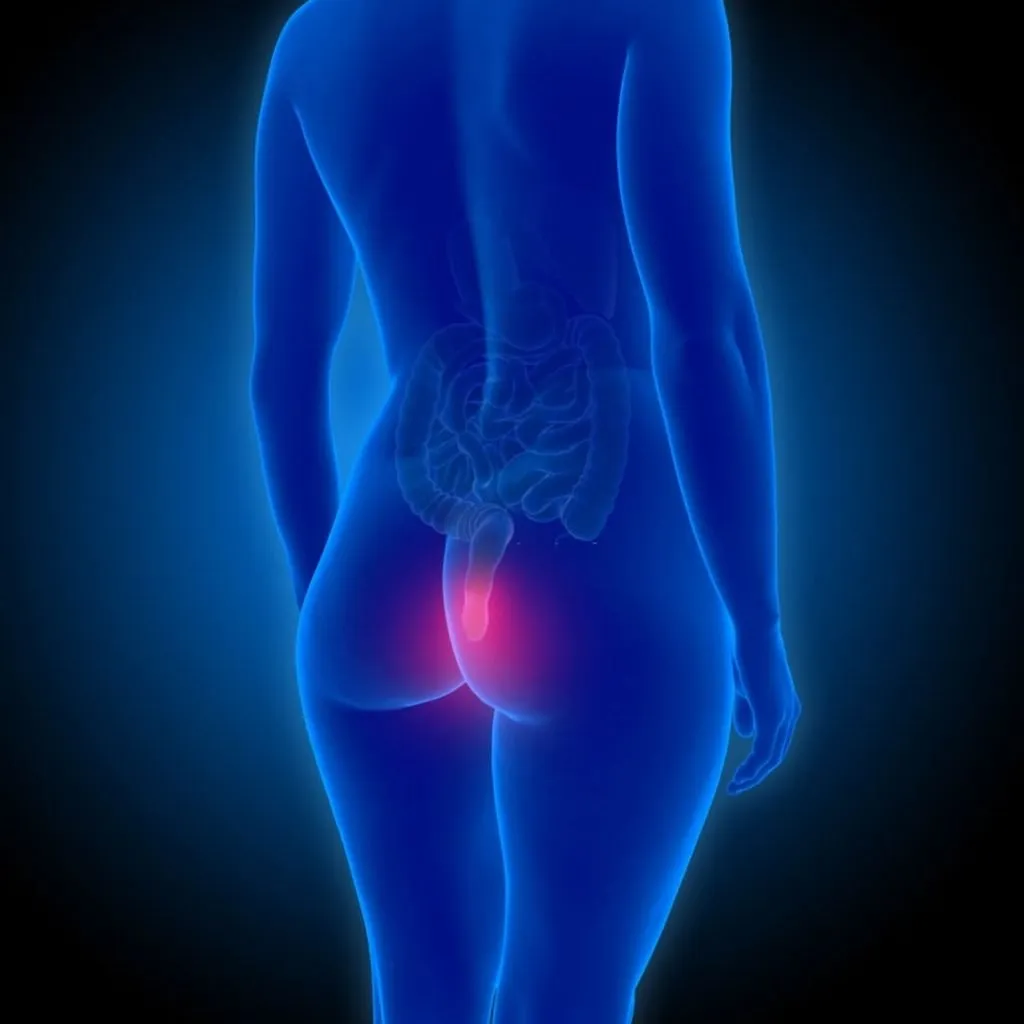
Anal fissure, commonly known as an anal crack, is one of the most common anal diseases after hemorrhoids. It refers to a small tear or wound that develops in the sensitive tissue around the anus.

The skin around the anus and the inner intestinal lining, called the mucosa, have a delicate structure. Because this area cont

The most common cause of anal fissure is physical str Hard and dry stools, constipation, and excessive str As a result, patients may experience sharp p

Anal fissure p In some cases, mild bleeding may also be seen on toilet paper after defecation.

Even if the p Unless anal fissure is properly treated, patients continue to experience the same cycle of p

In advanced cases, the fissure can trigger persistent muscle spasms, which may reduce blood flow (ischemia) in the affected area. Due to the fear of p This creates a vicious cycle where each bowel movement reopens the wound. In chronic anal fissure cases, evaluating underlying intestinal problems is also essential for effective treatment.

If left untreated, ongoing damage to the muscle tissue may lead to anal narrowing (rectal stenosis), making defecation increasingly difficult. Delaying bowel movements not only worsens constipation but also deepens the fissure. Over time, untreated fissures may progress into more complex conditions such as fistulized chronic anal fissure.

In the early (acute) stage of anal fissure, symptoms can often be managed temporarily with physician-approved medications and supportive treatments. However, if symptoms persist for more than 3 weeks, the condition is considered chronic and requires appropriate intervention, including both surgical and non-surgical treatment options.

What Are the Symptoms of Anal Fissure?

  • Anal fissure symptoms may differ between individuals, yet they typically follow a recognizable and uncomfortable pattern. The most prominent symptom is a sharp, tearing pCommon symptoms include:
    • Bright red bleeding noticed on toilet paper after defecation
    • Persistent pain, burning, and itching in the anal (perianal) area
    • Difficulty passing stool despite straining, frequently associated with constipation

    Ignoring these symptoms can lead to worsening of the condition. Early diagnosis and timely evaluation by a proctology specialist are crucial to prevent the fissure from becoming chronic, which may require more advanced fissure treatment options.

Acute Anal Fissure

In the acute phase, which is accepted as the initial stage of the disease, the symptoms appear suddenly. Acute fissures cause compl If intervention is made during this period, recovery can be seen in a period of 4 to 6 weeks. Of course, the treatment to be applied by the physician and the medicines to be recommended are also factors that affect this recovery period. At this stage, it is of great importance for patients with fissures to balance their diet and acquire healthy eating habits.

Chronic Anal Fissure

If an advanced and deep anal fissure is left untreated, symptoms tend to worsen progressively. Fissures that persist for more than 8 weeks are considered chronic, especially when they recur despite proper care. At this stage, seeking evaluation from a proctology specialist is essential, and appropriate fissure treatment should be initiated without delay.

Anal fissure, which often begins suddenly, can progress to a chronic condition if not properly managed in its early phase. Ongoing constipation and str Early consultation with a specialist plays a critical role in preventing chronic progression. Symptoms in the initial stage are typically milder compared to the chronic phase. With timely fissure treatment, recovery is faster, d

Chronic fissures are formed by the gradual progression of the rupture over time. The disease whose treatment is postponed, deepens every time the person needs to go to the toilet and causes compl Most of the time the p Since the crack in the area come into contact with feces, chronic fissures may become abscessed in the future and cause other anal diseases such as anal fistula.

If the acute fissure is not treated, it progresses to the chronic anal fissure stage and causes unbearable p

Recommended Videos for Anal Fissure

What should be considered in order for acute breech cracks not to become chronic?

  • The most important step is to consult a proctology specialist and begin a treatment plan tA fiber-rich diet plays a key role in preventing further str Regular consumption of vegetables, fresh fruits, whole grD Drinking at least 2 liters of water per day is essential to m

    Unhealthy eating habits, especially fast food and low-fiber diets, should be avoided, as constipation significantly increases the risk of acute anal fissures progressing into a chronic condition.

    Doctor-prescribed topical creams or p Additionally, warm sitz baths, as recommended by the physician, can help relax the anal muscles, improve blood flow, and support healing.

    M Regular showers and keeping the anal area clean and dry help reduce the risk of infection and promote faster recovery.

Anal Fissure (Anal Fissure) Causes

  • Anal fissure is commonly associated with lifestyle and dietary factors. Inadequate fiber intake, unhealthy eating habits, and insufficient d Chronic constipation or recurrent diarrhea can significantly increase the risk of fissure formation. StrIn addition, increased pressure in the anal region during pregnancy and childbirth may contribute to the development of anal fissures. Obesity is another important risk factor, as excess weight can increase pressure on the pelvic area. CertProlonged time spent on the toilet, particularly sitting in a defecation position for more than 5 minutes, can further increase str M

Does Anal Fissure Turn into Cancer?

Anal fissure itself does not turn into cancer. However, the symptoms it causes can closely resemble those seen in cert For example, rectal bleeding, p

Because of this overlap, accurate diagnosis is essential. A proper evaluation by a proctology specialist helps distinguish anal fissure from other conditions such as colorectal cancer or hemorrhoids. When necessary, further diagnostic tests may be recommended to ensure a clear and reliable diagnosis.

It is also important to note that anal fissures are frequently mistaken for hemorrhoids due to similar symptoms like p Relying solely on symptoms can be misleading. Early consultation with a specialist not only clarifies the diagnosis but also allows timely and effective treatment, preventing the condition from becoming chronic.

anal-fissur-makat-catlagi

How is Anal Fissure Diagnosed?

Anal fissure is diagnosed by a specialist in Proctology or General Surgery through a careful clinical evaluation and physical examination. In most cases, diagnosis can be made during a simple outpatient assessment. However, if there is suspicion of underlying conditions or atypical symptoms, advanced diagnostic tools such as endoscopy or colonoscopy may be recommended to evaluate the rectum and colon in det A key part of the diagnostic process is differentiating anal fissure from other anorectal disorders with similar symptoms, such as hemorrhoids, abscesses, or colorectal diseases.

In some patients, a small skin tag, medically referred to as a sentinel pile, may develop near the fissure. This can often be mistaken for a hemorrhoid by patients. For this reason, self-diagnosis may lead to incorrect assumptions and delayed treatment. An accurate diagnosis by an experienced specialist is essential for proper management.

During the examination, the physician evaluates the patient’s symptoms in det A thorough medical history is taken to identify contributing factors such as dietary habits, bowel patterns, and any underlying gastrointestinal conditions. Based on these findings, a personalized treatment plan is created to address both the fissure itself and any associated digestive disorders, ensuring a more effective and long-term recovery.

Advanced Non-Surgical Anal Fissure Treatment Options

  • Non-surgical anal fissure treatment options are designed to relieve p Among the most effective methods, muscle relaxant injection therapy helps decrease sphincter pressure, improving blood flow to the affected area and accelerating recovery. Electrosurgical treatment is another advanced technique that carefully removes damaged tissue while promoting controlled healing.In addition, radiofrequency therapy stands out as a minimally invasive option that uses targeted energy to treat fissures with precision, reducing recovery time and discomfort. Similarly, laser therapy for anal fissure offers a modern, patient-friendly approach by minimizing tissue damage and supporting faster healing with less postoperative pThese non-surgical anal fissure treatments can be applied individually or in combination, depending on the severity and chronicity of the condition. A personalized treatment plan, guided by a proctology specialist, ensures the most effective and long-lasting results.

Non-surgical techniques are used alone or in combination depending on the condition of your disease.

Techniques Applied in the Treatment of Non-Surgical Anal Fissure (Anal Fissure)

  • Electrosurgical treatment
  • Radiofrequency therapy
  • Laser therapy

These techniques are applied individually or in combination according to the condition of the patient.

You can find det

How is the Treatment Process is done in Avrupa Cerrahi?

Making an Appointment

If you want to start a quick treatment process you can make an appointment by calling on or via WhatsApp at the number

<

Examination Process

When your examination day comes, after the diagnosis made by your doctor, the most appropriate form of treatment is determined for you.

Treatment Process

As soon as you decide on the treatment (may be on the same day),
we can perform laser Fissure treatment.

AVRUPA CERRAHİ

Anal Fissure – Frequently Asked Questions

Below you can find answers to the most common questions about anal fissures, their symptoms, and modern treatment options.

An anal fissure is a small tear in the lining of the anal canal. It commonly causes pain, a burning sensation, and sometimes bleeding during or after bowel movements.

Typical symptoms include sharp pain during bowel movements, a burning sensation afterward, visible bright red blood on toilet paper, and muscle spasm in the anal area.

Anal fissures are most often caused by constipation, hard stools, excessive straining, prolonged diarrhea, or increased anal sphincter tension. They may also occur after childbirth.

Acute anal fissures may heal on their own in some cases. However, if symptoms persist, medical treatment is necessary to prevent the fissure from becoming chronic.

Yes. The majority of anal fissures can be treated without surgery using modern, non-surgical methods that reduce muscle spasm and promote natural healing.

Non-surgical treatments focus on relaxing the anal sphincter, improving blood flow to the area, and supporting tissue healing through minimally invasive approaches.

Modern treatment methods are designed to minimize discomfort. Most patients tolerate treatment well and experience significant pain relief during the healing process.

Treatment duration depends on whether the fissure is acute or chronic. Many patients notice improvement within days to weeks after starting appropriate treatment.

Yes. If not treated properly, an acute anal fissure may become chronic and require a longer treatment period.

Recurrence is possible, but the risk is significantly reduced when proper treatment is combined with lifestyle changes such as regular bowel habits and adequate hydration.

Constipation, excessive straining, prolonged sitting on the toilet, and self-medication without medical advice should be avoided.

No. In most cases, anal fissure treatment is performed on an outpatient basis, and hospitalization is not required.

Yes. Our medical center provides anal fissure evaluation and treatment for international patients, with personalized planning and support.

• Experience in proctology
• Modern non-surgical treatment options
• Patient-centered care
• Focus on comfort and safety

You can schedule an appointment online or contact our support team, who will guide you through every step of the process.


Call Now

Location

Instagram

Whatsapp