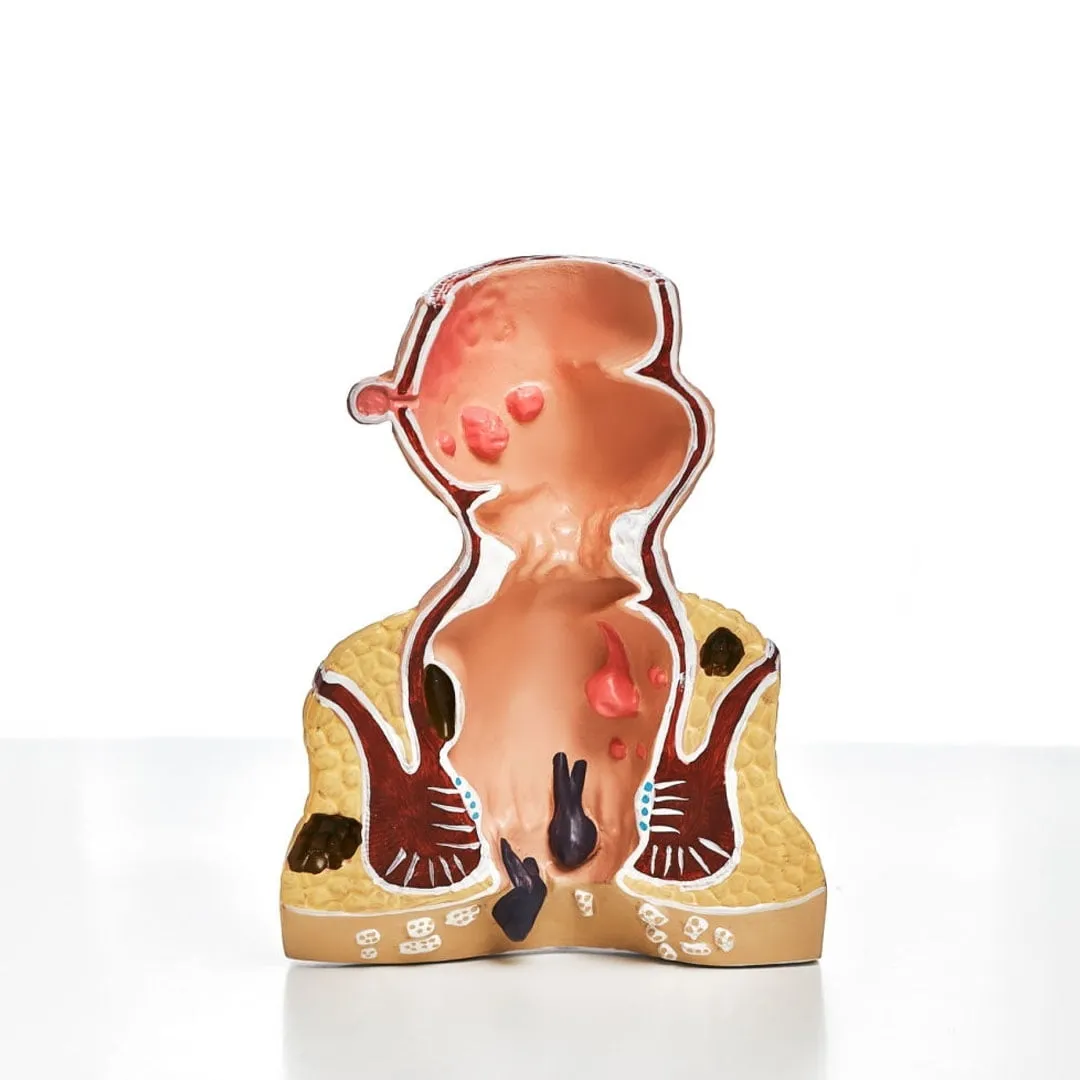
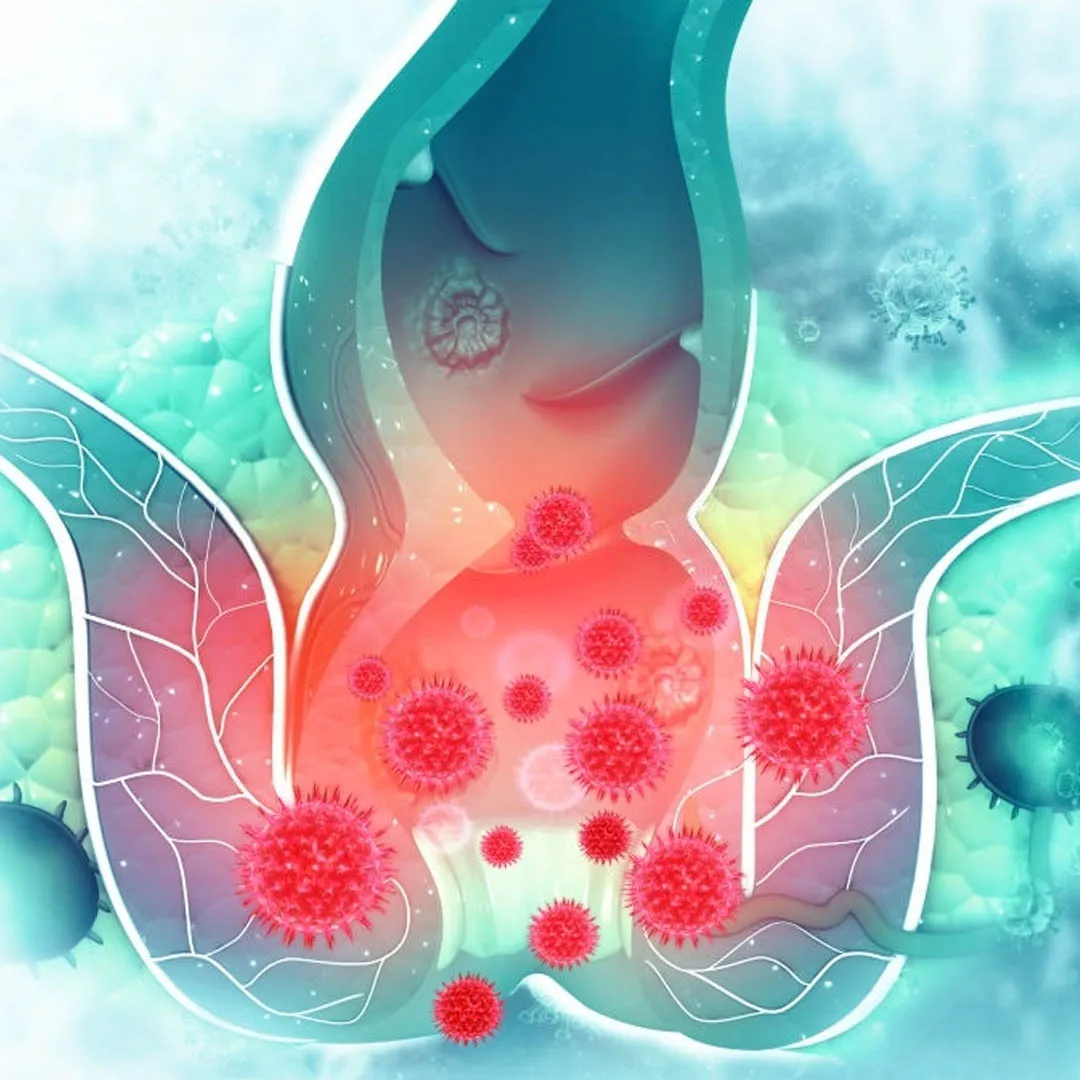
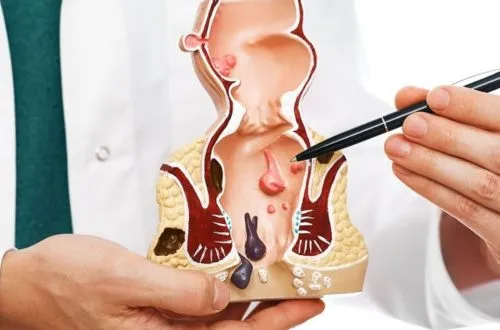
Delaying anal fistula treatment can lead to progression of the disease, including the development of multiple tracts, enlargement of existing fistula canals, and increased complexity of the condition. Over time, ongoing infection may result in the accumulation of purulent discharge, making management more difficult and prolonging recovery.
Chronic, untreated fistulas are also associated with persistent inflammation. In long-standing cases, this continuous inflammatory process may, in rare situations, contribute to cellular changes over many years. However, this does not mean that every anal fistula will progress to cancer.
Another common complication is the development of secondary infections. Constant moisture and discharge in the perianal region can create a favorable environment for fungal infections. This may lead to persistent itching, irritation, and discomfort around the anus, significantly affecting quality of life.
Early medical evaluation is important to prevent disease progression, reduce complications, and determine the most appropriate treatment approach.
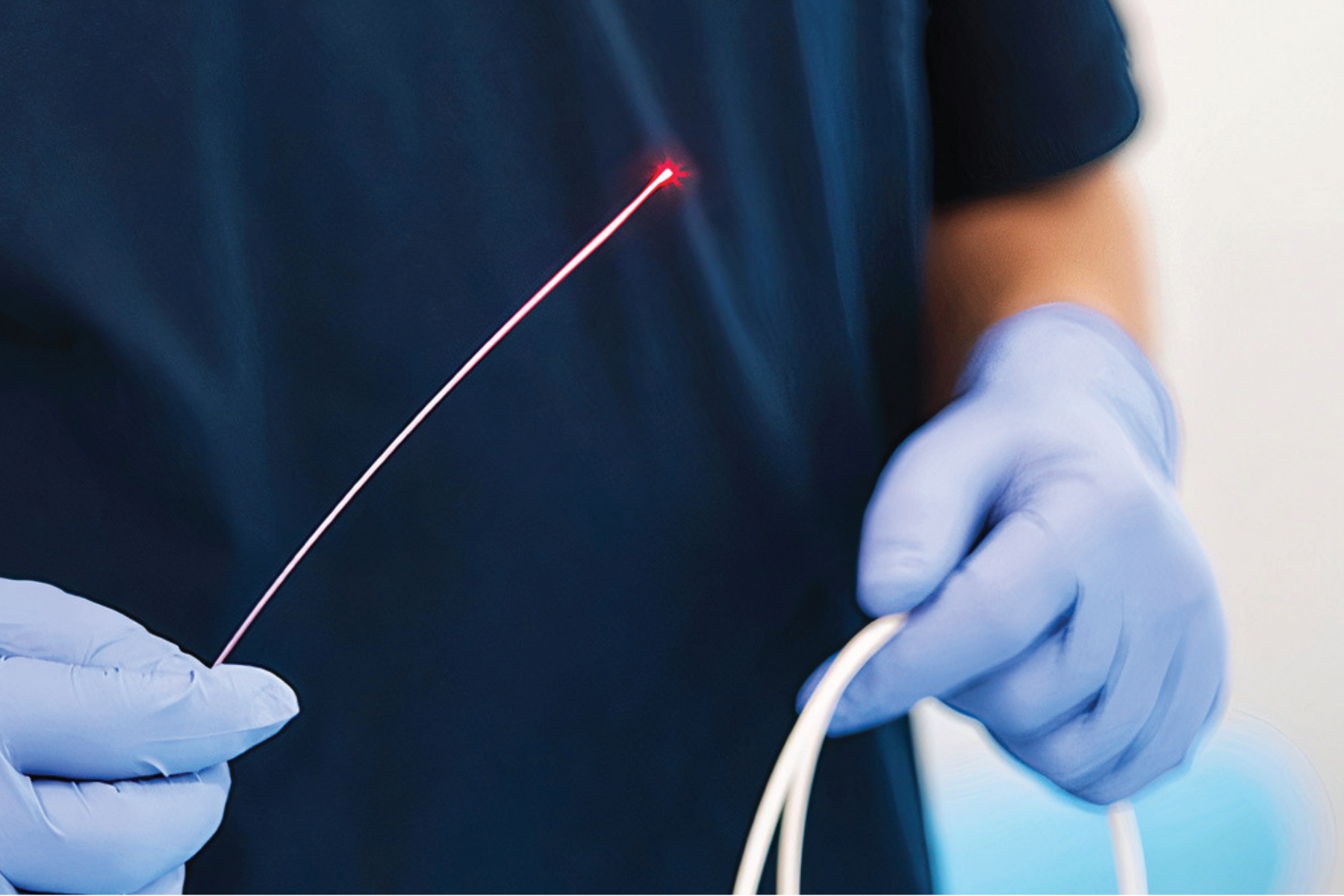
Laser-assisted, non-surgical treatment for anal fistula is a minimally invasive option that may provide an effective alternative to conventional surgery in selected cases. This technique focuses directly on the fistula tract,
Compared to traditional surgical approaches, laser fistula treatment is often associated with less postoperative discomfort, a shorter recovery period, and reduced need for hospitalization. Many patients may return to d A specialist evaluation is essential to determine the most appropriate management plan.