
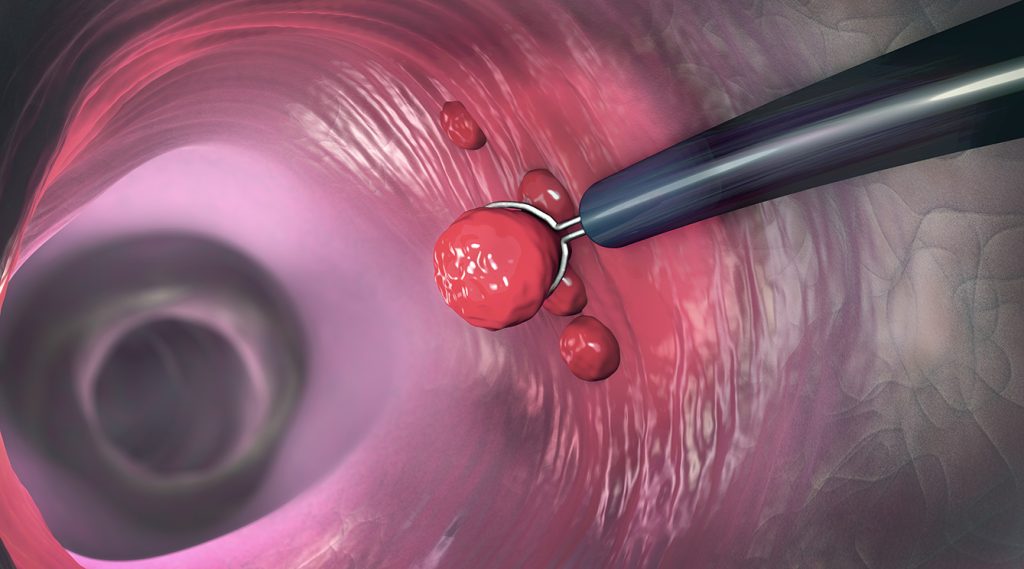
What Happens If Anal Polyps Are Not Removed? Potential Risks If Left Untreated
What Happens If Anal Polyps Are Not Removed?
Many people diagnosed with anal polyps wonder whether these growths necessarily need to be removed. The question “what happens if anal polyps are not removed?” frequently arises, especially when the polyp is small and doesn’t cause obvious symptoms. This question is quite valid; because not every anal polyp requires immediate intervention. However, completely ignoring the polyp is also not the right approach.
What might happen if anal polyps are not removed varies depending on the characteristics of the polyp and the patient’s condition. Therefore, understanding the potential risks well is important for making the right decision.
Do Anal Polyps Go Away on Their Own?
Anal polyps are not growths that disappear on their own. After they form, they usually remain in the same place and either stay the same or slowly grow over time. For this reason, the “let’s wait, maybe it will go away” approach is often not realistic.
Small polyps that don’t cause symptoms may remain unchanged for a long time; however, this doesn’t guarantee they won’t cause problems in the future.
Possible Conditions If Anal Polyps Are Not Removed
Growth of the Polyp Over Time
Anal polyps usually grow slowly. However, polyps that are not monitored for a long time may change in size over time. As the polyp grows:
- The feeling of fullness in the anus may increase
- Discomfort may occur during bowel movements
- Hygiene may become more difficult
Growing polyps begin to cause more noticeable symptoms.
Increase in Bleeding Symptoms
Recurrent bleeding is one of the most common complications of untreated anal polyps. Since the polyp surface is sensitive, it can be easily irritated during bowel movements. This situation may manifest as:
- Blood on toilet paper
- Dripping blood in the toilet bowl
As bleeding increases, patient anxiety also increases.
Itching and Irritation Becoming Chronic
Anal polyps can cause mild discharge and moisture, leading to irritation around the anus. In cases of neglect, this can develop into a chronic condition. Continuous itching:
- Increases skin sensitivity
- Reduces daily life comfort
- Deteriorates sleep quality
Confusion with Other Anorectal Diseases
Anal polyps that are not monitored for a long time can be confused with diseases such as hemorrhoids or anal fissures, leading to:
- Patients receiving incorrect treatments
- Use of unnecessary medications
- Delayed accurate diagnosis
When the presence of the polyp is not clearly detected, the real cause may be overlooked.
Do Anal Polyps Turn into Cancer? Does the Risk Increase if Not Removed?
The risk of anal polyps turning into cancer is generally low. However, theoretically, the risk may increase in polyps that are not monitored for long periods, grow larger, and show structural changes. Therefore, regular follow-up is recommended rather than completely neglecting the polyp.
What’s important here is not excessive fear, but conscious regular monitoring.
Should Every Anal Polyp Be Removed?
No. There is no rule stating that every polyp must be removed. Small, stable polyps that don’t cause symptoms may be monitored without intervention in some cases. However, intervention becomes necessary when:
- The polyp begins to grow
- It causes bleeding
- It shows bothersome symptoms
This decision is made based on the characteristics of the polyp and the specialist physician’s evaluation.
Are There Psychological Effects When Anal Polyps Are Not Removed?
Untreated polyps can cause psychological effects in addition to physical ones. Those experiencing recurrent bleeding or uncertainty may develop:
- Chronic anxiety
- Unwarranted fear
- Continuous negative scenario thinking
This psychological condition can be more exhausting than the polyp itself.
How Should Anal Polyps Be Monitored If Not Removed?
Anal polyps that are not removed must be carefully monitored through:
- Regular examinations according to a specified schedule
- Monitoring any changes in symptoms
- Evaluating the presence of bleeding or abnormal growth
This approach ensures early detection of any complications.
Conclusion – Risks of Neglecting Anal Polyps Should Not Be Underestimated
It’s not always necessary to immediately remove anal polyps, but completely neglecting them is not the right approach either. Untreated or unmonitored polyps can lead to worsening symptoms and complicate the health condition over time.
The optimal approach is:
- To accurately diagnose the nature of the polyp
- To understand the potential risks
- To intervene when necessary or maintain regular periodic monitoring
This way we preserve health and avoid unwarranted fears.
Leave a reply
Leave a reply