
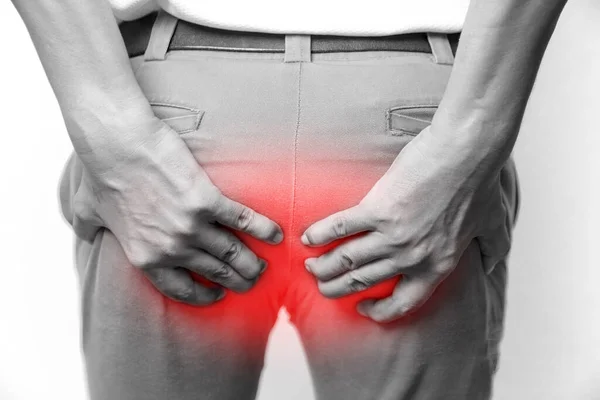
What Does Persistent Anal Itching Mean? Causes of Continuous Anal Itching
What Does Persistent Anal Itching Mean?
Anal itching can sometimes be a temporary discomfort seen in many people. However, if the itching persists for weeks, doesn’t go away despite home remedies, or progressively worsens, this situation is no longer a simple problem. Persistent anal itching often indicates an underlying disease or the continuation of incorrect practices.
“Why doesn’t the constant itching go away?” is one of the most frequently asked questions by people experiencing this problem. The answer to this question lies in correctly analyzing the source of the itching.
Why Doesn’t Anal Itching Go Away?
Behind the prolonged persistence of anal itching, there is usually not a single cause, but multiple factors. The most common causes are examined in detail below.
Untreated Underlying Disease
Anal itching is often a symptom of diseases such as:
- Hemorrhoids
- Anal fissure
- Fungal infection
- Anal fistula
When only anti-itch creams are used, the underlying disease continues, and the itching recurs shortly afterward. This situation leads to the perception of “persistent itching.”
Incorrect or Unconscious Cream Usage
Many people with itching complaints start using creams based on hearsay. Especially the long-term and uncontrolled use of cortisone-containing creams can lead to:
- Thinning of the skin
- Increased sensitivity
- Further intensification of itching
This situation causes the itching to become chronic rather than going away.
Overlooking Fungal and Infections
Fungal infections are one of the most stubborn causes of anal itching. When incorrect treatment is applied, the fungus is not suppressed; on the contrary, it may spread. In this case, the itching:
- Becomes continuous
- May increase at night
- Appears with redness and burning
Parasitic Infections (Pinworm)
Parasitic infections should definitely be considered in anal itching that worsens at night and persists for a long time. The itching won’t go away and will recur as long as parasitic treatment is not administered.
Continuous Irritation and Moisture
The anal area remaining constantly moist is one of the important reasons why itching doesn’t go away. Excessive sweating, discharge, and incorrect cleaning habits continuously irritate the skin. As long as irritation continues, itching becomes persistent.
Which Diseases Could Persistent Anal Itching Be a Harbinger Of?
Long-term persistent anal itching may be a symptom of the following diseases:
- Chronic hemorrhoids
- Chronic anal fissure
- Anal fistula
- Fungal infections
- Skin diseases (eczema, psoriasis)
For this reason, persistent itching must definitely be evaluated in a cause-focused manner.
When Should You See a Doctor?
Expert evaluation is required without delay in the following situations:
- If the itching lasts longer than 2 weeks
- If bleeding or discharge accompanies it
- If it wakes you up at night
- If no improvement occurs despite using creams
These symptoms may indicate a much more serious condition than simple irritation.
What Is the Correct Approach to Persistent Anal Itching?
For a permanent solution:
- The cause of the itching must be clearly determined
- The underlying disease should be treated if necessary
- Incorrect and unconscious product usage should be stopped
Since not all itching arises from the same cause, there is no single treatment method that works for everyone.
Conclusion – Persistent Itching Is Not Coincidental
Persistent anal itching is a warning from the body that needs attention. Instead of trying to suppress the itching, investigating its cause forms the basis of a permanent solution.
When the correct diagnosis is made in the early period:
- The treatment process is shortened
- The itching is permanently brought under control
- Quality of life significantly improves
For this reason, long-lasting anal itching should not be neglected.
Leave a reply
Leave a reply