
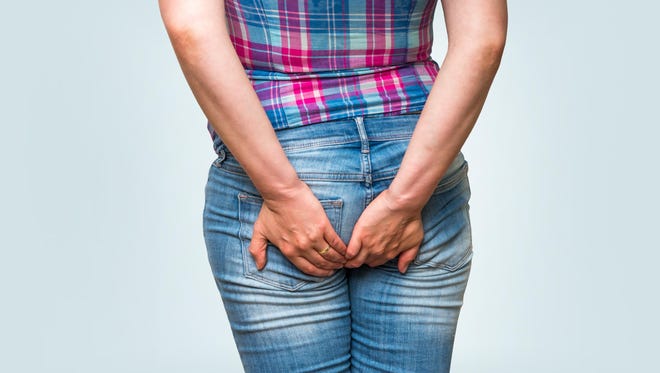
What Causes Anal Itching? Most Common Causes and What You Should Know
What Causes Anal Itching?
Anal itching is a common health problem that many people experience but often hesitate to discuss. Medically known as pruritus ani, this condition can start as a mild itching sensation but may intensify over time to the point of negatively affecting daily life. Especially when anal itching persists for a long time, it can be a sign of an underlying disease.
There is not a single cause of anal itching. In some people, it develops due to simple hygiene habits, while in some cases, it can be a symptom of more serious problems such as hemorrhoids, anal fissures, or infections. Therefore, the answer to the question “what causes anal itching?” may vary from person to person.
What Are the Most Common Causes of Anal Itching?
The causes of anal itching can generally be examined in several groups, including anal diseases, infections, skin problems, and daily habits.
Hemorrhoids
Hemorrhoids are one of the most common causes of anal itching. The discharge and moisture seen especially in internal hemorrhoids irritate the skin around the anus and cause itching. In external hemorrhoids, swelling and skin sensitivity can increase itching.
Itching due to hemorrhoids is usually observed with symptoms such as:
- Bleeding
- Swelling
- Feeling of fullness
These symptoms often appear together with the itching.
Anal Fissure
Anal fissures are small tears that form on the edge of the anus. Although they are mostly known for severe pain during bowel movements, itching and burning are frequently observed during the healing process of the fissure or in chronic cases. Itching that increases after bowel movements is an important clue for fissures.
Fungal Infections
When the anal area remains moist, it creates a suitable environment for fungal infections. Fungal-induced anal itching usually presents with:
- Intense and persistent itching
- Redness
- Sometimes whitish discharge
Long-term antibiotic use and weakened immune system can increase the risk of fungal infections.
Parasites (Pinworms)
Although frequently seen in children, it can also occur in adults. In pinworm infection, anal itching usually intensifies during nighttime hours and can be disturbing enough to wake you up from sleep. Nighttime worsening of anal itching should definitely be evaluated for parasites.
Hygiene Errors
Sometimes anal itching stems from incorrect cleaning habits.
- Insufficient cleaning can cause fecal residue to irritate the skin.
- Excessive cleaning, especially frequent use of soap and wet wipes, can disrupt the skin’s natural protective layer and increase itching.
Gentle and balanced cleaning is the correct approach.
Allergic Reactions
Perfumed toilet papers, wet wipes, detergent residues, and some creams can cause allergic reactions around the anus. In this case, redness and sensitivity may accompany the itching.
Anal Fistula and Anal Abscess
In cases of anal fistula or abscess, itching usually develops due to discharge. Continuous moisture sensation, bad odor, and skin irritation are common in these diseases. Itching should be evaluated together with other symptoms, not alone.
When Should Anal Itching Be Taken Seriously?
Anal itching should definitely require expert evaluation if:
- It has been continuing for a long time
- Bleeding, discharge, or severe pain accompanies it
- It does not go away despite home remedies
Because proper treatment is only possible with an accurate diagnosis.
Conclusion – Although Anal Itching Seems Simple, It Should Not Be Neglected
Although anal itching is often perceived as a temporary problem, it can sometimes be the first symptom of an important underlying anal disease. Instead of just trying to suppress the itching, investigating the cause is essential for a permanent solution.
Thanks to accurate evaluation done in the early period:
- Unnecessary treatments can be avoided
- The disease can be brought under control before it progresses
- Quality of life significantly improves
Leave a reply