
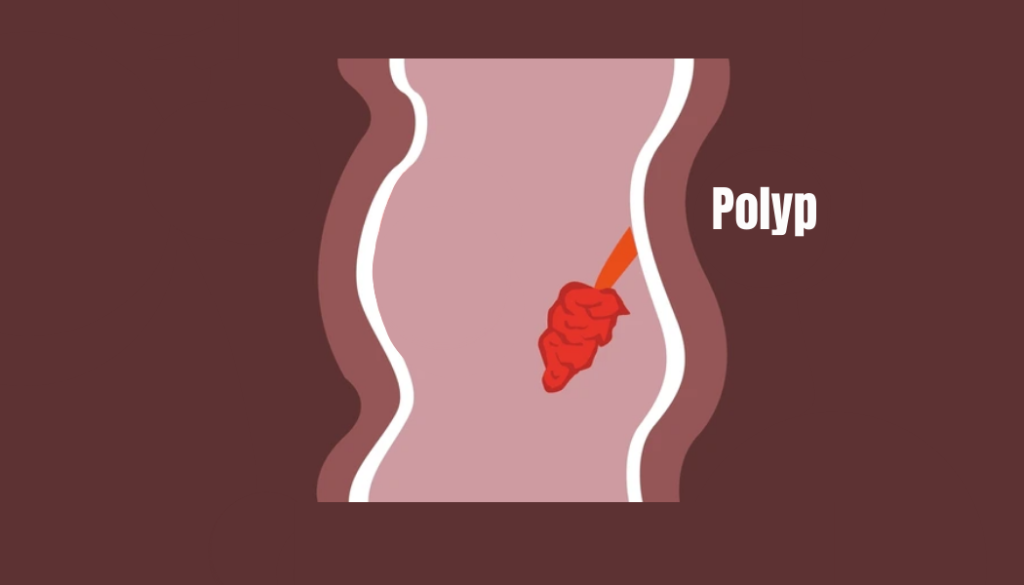
What Causes Anal Polyps? Who Is More Likely to Develop Them?
What Causes Anal Polyps?
Anal polyps are growths that originate from the tissue lining the inner surface of the anal canal and typically develop slowly. While many people think anal polyp formation is due to a single cause, in reality this condition results from the long-term effects of multiple factors. Therefore, the question “what causes anal polyps?” does not have a single, short answer.
The anal area is a sensitive region constantly exposed to pressure, friction, and occasional irritation during bowel movements. This situation can lead to some structural changes in the tissue’s self-repair process. It is often these processes that form the basis of anal polyp formation.
Most Common Causes of Anal Polyp Formation
Chronic Constipation and Continuous Straining
One of the most important causes of anal polyp formation is long-term constipation. Hard bowel movements and continuous straining cause micro-traumas on the inner surface of the anal canal. These repetitive traumas over time prepare the ground for tissue thickening and the formation of polyp-like protrusions.
Especially:
- Fiber-deficient diet
- Inadequate fluid intake
- Sedentary lifestyle
can increase the risk of constipation and indirectly contribute to anal polyp development.
Chronic Irritation in the Anal Area
When the inner surface of the anal canal is continuously exposed to irritation, the body may show a tendency to thicken and grow tissue to protect this area. Long-term irritation can trigger polyp formation.
The main conditions that cause irritation are:
- Long-term diarrhea
- Frequent and harsh cleaning habits
- Cleaning products containing chemicals
Inflammatory Processes and Infections
Recurring inflammations and infections in the anal region can disrupt tissue structure and facilitate polyp development. Especially long-term untreated anal fissures or local infections can cause abnormal growths in the mucosa.
These types of inflammatory processes:
- Accelerate tissue renewal
- Prepare the ground for uncontrolled cell proliferation
Occurrence with Hemorrhoids
Anal polyps may appear together with hemorrhoids in some patients. Although hemorrhoids are a vascular disease, the pressure and irritation environment they create can indirectly support polyp development.
Therefore, in patients with hemorrhoids, it is important to evaluate anal polyps during examination.
Who Is More Likely to Develop Anal Polyps?
Anal polyps can be seen in all age groups, but the risk is higher in certain people.
Middle-Aged and Elderly Group
Anal polyps are generally detected more frequently in middle-aged and older individuals. The reason for this is that the anal region is exposed to irritation for a longer time over the years. However, this does not mean that anal polyps cannot be seen at a young age.
Those with Long-Term Anal Problems
People who have previously experienced:
- Hemorrhoids
- Anal fissure
- Anal infection
have a higher risk of developing anal polyps. These diseases can change the structure of the anal canal.
Those with Irregular Bowel Habits
In people who frequently experience constipation or diarrhea, the anal canal is constantly strained. This situation prepares a suitable ground for polyp formation.
Those with Inappropriate Hygiene Habits
Excessive cleaning or inadequate hygiene can negatively affect the anal region tissue and contribute to polyp formation. Especially the use of harsh and chemical-containing products increases the risk.
Can Anal Polyp Formation Be Prevented?
Although the formation of anal polyps cannot always be completely prevented, the risk can be reduced. For this:
- Fiber-rich nutrition
- Adequate water consumption
- Avoiding constipation
- Gentle approach to the anal area
are important. These precautions can reduce the likelihood of polyp development by preventing unnecessary strain on the anal canal.
Conclusion – Anal Polyps Do Not Appear by Chance
Anal polyps typically develop as a result of long-term irritation, straining, and inflammatory processes. Therefore, the formation of anal polyps is often in the nature of a continuation of a pre-existing problem.
Anal polyps that are detected early and evaluated correctly:
- Are easier to monitor
- Prevent potential future problems
- Help avoid unnecessary concerns
Leave a reply