
Does an Anal Fissure Heal on Its Own?
An anal fissure typically presents as a sharp p While this discomfort may sometimes resolve on its own, it can also lead to issues with bowel movements, and treatment options should be considered.
What Is an Anal Fissure?
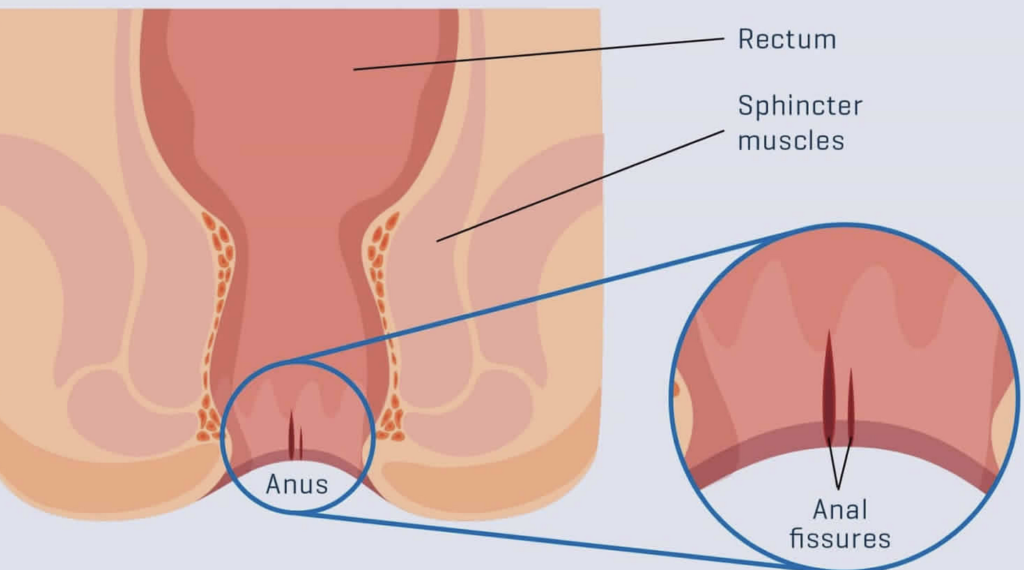
An anal fissure is a small tear in the lining of the anus, often causing severe p It is usually caused by constipation, hard stools, or excessive stretching around the anus. A fissure may start acutely and tend to heal on its own within a few weeks. However, to facilitate this process, cert
What Happens If an Anal Fissure Is Not Treated?
If left untreated, minor discomfort may escalate over time. Acute fissures can become chronic, leading to muscle spasms in the anal region and reduced blood circulation, making healing more difficult. Prolonged p A person who experiences p
Untreated anal fissures may become infected, leading to serious complications like abscesses. Infections can spread, causing widespread inflammation in the body and leading to severe health problems. For long-term fissure compl
What Are the Treatment Methods for Anal Fissures?
The treatment for anal fissures depends on whether the fissure is acute or chronic. For acute fissures, non-invasive methods are usually preferred. A fiber-rich diet, plenty of water, and stool softeners can ease bowel movements. Sitz baths and topical creams can also help relieve p
For chronic fissures, medical treatments and surgical options may be necessary. Botox injections, for instance, can relax the anal muscles and accelerate healing.
Temporary Solutions to Relieve Anal Fissure Symptoms
There are temporary remedies that can be used at home to alleviate the symptoms of an anal fissure. One of the most effective is regular warm sitz baths, which relax the muscles around the anus and reduce p Stool softeners can also make bowel movements more comfortable, reducing p
Over-the-counter local anesthetic creams may offer p
Leave a reply
Leave a reply