
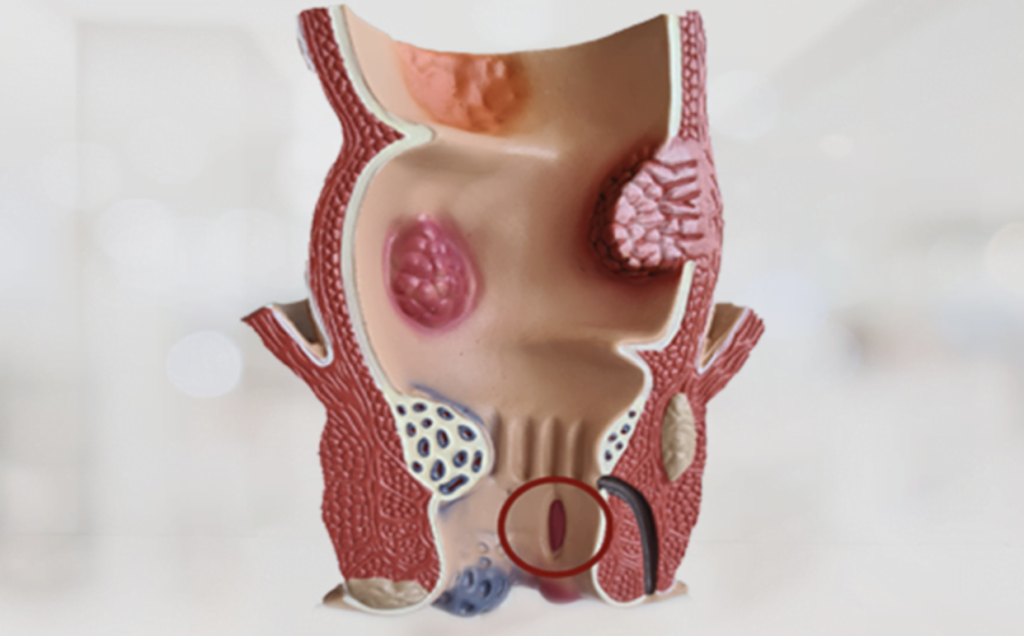
What is Chronic Anal Fissure and What Causes It?
A chronic anal fissure typically occurs in the skin surrounding the outside of the anus and can cause severe p A fissure that has become chronic is usually a problem that has persisted for more than six weeks and has not healed on its own.
What is a Chronic Anal Fissure?
A chronic anal fissure is a condition where tears in the thin skin layer in the anal region do not heal over a long period. This tear usually occurs due to hard bowel movements. While an acute fissure may heal on its own initially, once it becomes chronic, the body struggles to close the wound. Chronic anal fissures are often associated with spasms of the muscles in the area. These spasms block blood flow in the region, slowing the healing process. Scar tissue may also form around the fissure, complicating the condition further. The fissure causes constant p
What are the Symptoms of a Chronic Anal Fissure?
The most obvious symptom of a chronic anal fissure is intense p The p Additionally, bleeding may occur during defecation, typically bright red in color, which can be noticed on toilet paper or in the stool. Spasms of the muscles in the area due to the fissure are also common, often intensifying the p Some patients compl Swelling or the formation of a small skin fold (sentinel pile) around the anus is also a common symptom of chronic anal fissures.
What Causes Chronic Anal Fissures?
The primary cause of chronic anal fissures is damage to the skin in the anal area due to hard bowel movements. Insufficient fiber intake, irregular eating habits, and low water consumption can lead to hardened stools, triggering the formation of fissures. Additionally, persistent constipation or diarrhea can cause excessive str Muscle spasms in the area play a role in hindering the healing process during chronic fissures. These spasms restrict blood flow, making it difficult for the wound to heal. Trauma, pregnancy, childbirth, incorrect toilet habits, difficult deliveries, or medical interventions in the anus can also increase the risk of chronic anal fissures. Stress and anxiety are also contributing factors to the development of this problem.
How is Chronic Anal Fissure Treated?
The primary goal in the treatment of chronic anal fissures is to relieve p Treatment typically begins with medication and lifestyle changes. P Doctors also If the condition does not respond to medication, surgical intervention may be necessary. One of the surgical methods, lateral internal sphincterotomy, is performed to relieve muscle spasms and often yields successful results.
Leave a reply
Leave a reply